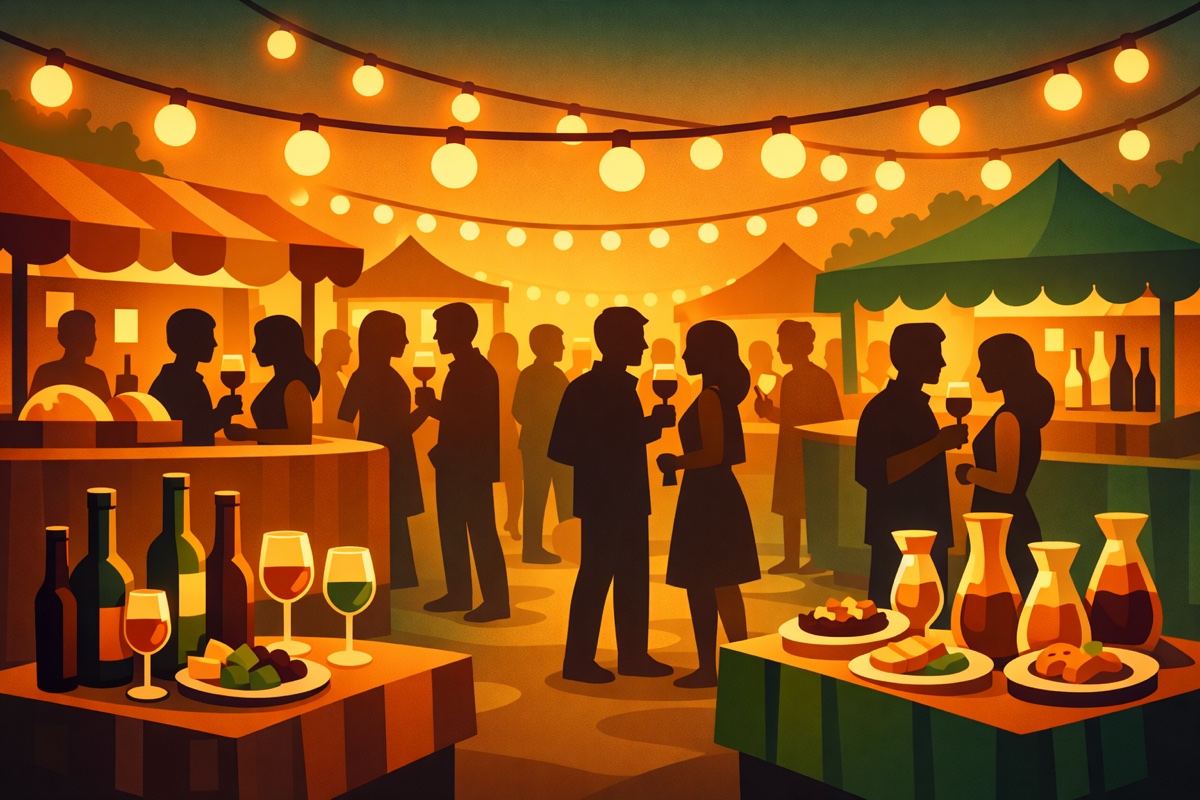

Food and wine festivals occupy a unique corner of the live-event world. Unlike a concert where your ticket gets you a seat and a show, these events sell access in layers — general admission gets you through the gate, but the real experiences (reserve tastings, chef's table dinners, intimate winemaker sessions) live behind a second or third paywall. If you walk in without understanding that structure, you'll either overspend at the door or miss the sessions that made the festival worth attending in the first place.
Pricing at food and wine festivals is also more volatile than most people realize. Organizers typically release tickets in early-bird tiers that can be significantly cheaper than what you'll see in the final weeks. The clock is ticking from the moment the event is announced — and unlike a stadium concert where resale inventory is massive, many of these festivals have hard capacity caps that make last-minute buying genuinely risky. Understanding that dynamic before you even search for tickets is half the battle.
Whether you're targeting one of the big flagship festivals — Epcot International Food & Wine, the Food Network & Cooking Channel South Beach Wine & Food Festival, Aspen Food & Wine Classic, or a regional event in your own backyard — the buying mechanics follow recognizable patterns. This guide breaks down those patterns so you can move with confidence instead of guessing.
Explore handpicked hotels and escapes from LuxeSofia, then plan your next getaway on Expedia.
How Food & Wine Festival Ticket Tiers Actually Work
The single most important thing to understand about food and wine festival tickets is that the event itself is not one product — it's a stack of products. Here's how the typical structure breaks down:
- General Admission / Festival Pass: Entry to the main grounds, access to the walk-around tasting floor, and whatever included pours or tastings the organizer bundles in. This is the base ticket and usually the most widely available.
- Signature or Grand Tasting Events: Ticketed separately (or as an add-on), these are usually the headline sessions — think Saturday evening grand tastings with marquee chefs and premium wine pours. These sell out first, often weeks before GA goes.
- Intimate Sessions & Master Classes: Small-format events capped at 20–100 people. A winemaker vertical, a hands-on cooking demo, a single-vineyard seated tasting. These are almost always add-ons, priced higher per hour than anything else at the festival, and they disappear fast.
- VIP or Patron Packages: Bundled access that includes priority entry, lounge access, dedicated pours, and sometimes the signature events already baked in. The per-event math often makes these a better value than buying components separately — but only if you actually plan to use everything included.
The practical move: before you buy anything, map out which sessions you actually want to attend, then price them individually versus as a package. Organizers design VIP tiers to look like a deal — and sometimes they genuinely are — but only if the bundle matches your actual itinerary. Trust me, I've seen people buy a three-day VIP pass for a festival they were only attending on Saturday. That's not a deal; that's a sunk cost.
Also worth noting: multi-day festivals often sell single-day tickets and full-weekend passes. If the event runs Thursday through Sunday, the Saturday grand tasting is typically the most expensive individual day. Buying a full weekend pass can dilute that cost significantly — but again, only if you're using the other days.
When to Buy Food & Wine Festival Tickets — And When Prices Spike
Timing is where buyer intelligence separates the people who got a great deal from the people who paid full freight or got shut out entirely. Food and wine festivals follow a fairly predictable pricing arc — here's what I've observed across these events over the years:
Early-Bird Windows
Most established festivals release tickets in tiers. The first tier — sometimes called "early bird," sometimes just the initial on-sale — is almost always the cheapest you'll ever see that ticket. The early bird doesn't just get the worm; they get the signature tasting at a price that won't exist two months from now. These early windows typically open anywhere from four to eight months before the event and are often announced only to the festival's email list before going public. Signing up for the mailing list is a free move that can save you real money.
The Mid-Sale Plateau
After the early-bird tier sells through, prices step up to the standard tier and tend to hold relatively steady for a while. This is usually the longest window and the one most people buy in. It's not the best price, but it's not the worst either — and availability across session types is still reasonable.
The Final-Weeks Surge
In the two to three weeks before a food and wine festival, a few things happen simultaneously: remaining intimate sessions sell out, resale prices on any secondary market listings start climbing, and the organizer often raises the GA price into the final tier. If you're buying here, you're paying a premium and working with limited inventory. For the most popular festivals — particularly the ones with national media profiles — this window can be genuinely thin.
Resale Considerations
Unlike major music festivals (where resale markets are deep — if you've ever navigated buying tickets for Austin City Limits, you know the secondary market there is robust), food and wine festival resale tends to be thinner. Capacity is smaller, the buyer pool is more niche, and some events issue non-transferable tickets or require ID at entry. Always check the festival's transfer policy before buying on a secondary market — a non-transferable ticket you bought resale is a ticket you may not be able to use.
The bottom line on timing: if you know you're going, buy early. The savings are real, and the availability of the best add-on sessions is meaningfully better in the first tier than in the last.
Navigating the Venue, Access Levels, and What to Watch Out For at Food & Wine Festivals
Food and wine festivals don't have seats in the traditional sense, but they do have access tiers that function like seating categories — and understanding them before you arrive matters just as much as knowing where Row A is at a concert.
Grounds Layout and Flow
Large festivals typically divide the venue into zones: a general tasting floor open to all ticket holders, a VIP lounge or reserve area for elevated-tier passes, and dedicated spaces for ticketed intimate sessions. At outdoor festivals, the VIP zone often means shade, seating, and shorter pour lines — amenities that sound minor on paper but feel significant after two hours in the sun. If you're attending a multi-session day, factor physical fatigue into your planning. Pacing matters.
What Your Ticket Actually Covers
Read the fine print on pour credits, included tastings, and food access. Some GA tickets include a tasting glass and a set number of sample pours; others are entry-only and everything is à la carte. VIP packages vary wildly — some include unlimited pours in a specific lounge, others just give you priority entry and a swag bag. Knowing exactly what's included prevents the unpleasant surprise of reaching the front of a line and discovering your ticket tier doesn't cover that station.
Watching Out for Upsell Pressure On-Site
On-site ticket upgrades and add-on purchases are a consistent feature of these festivals. Organizers know that once you're there and excited, you're more likely to spend. The sessions they're upselling at the door are almost always the ones that didn't sell out in advance — which tells you something about their demand. The sessions worth attending are the ones that required advance purchase. Trust me on this one: if a master class is still available at the walk-up window on the day of the event, it's usually not the one you wish you'd booked ahead.
Festivals in the Context of a Bigger Trip
Many food and wine festivals are destination events — Aspen, South Beach, Napa — which means your ticket cost is one line item in a much larger travel budget. Factor that in when choosing your ticket tier. Spending up for VIP access at the festival itself often makes more sense when you're already spending significantly on flights and hotels; the marginal cost of the upgrade is smaller relative to the total trip. Conversely, if you're attending a local or regional event, a GA ticket may be all you need.
If you're the kind of person who builds a full event calendar around experiences like this — the way some people do around comedy festivals or major music weekends — food and wine festivals reward the same advance-planning discipline. The structure is different, but the buyer intelligence is the same: know the tiers, move early on the sessions that matter, and read what your ticket actually includes before you walk through the gate.